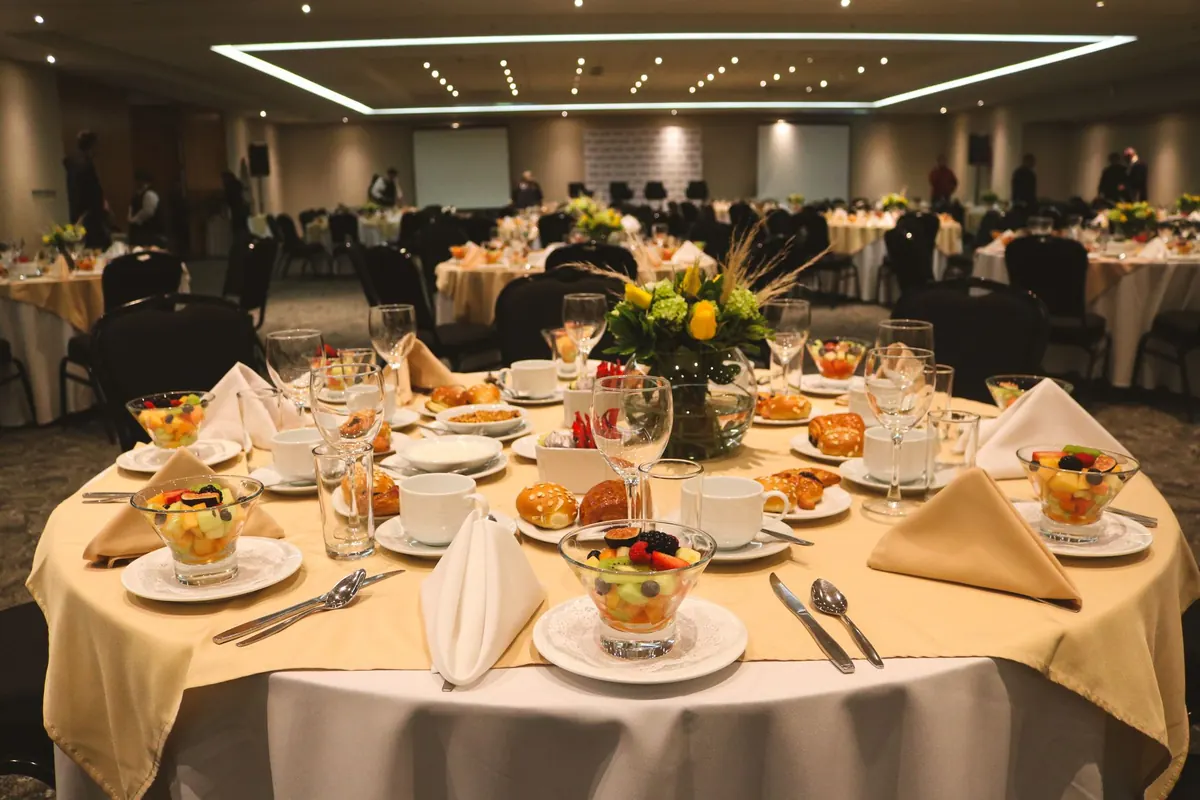
Restaurant Week returns to the Ridge next Monday, and the first thing most of us do is scroll the menu list twice and then book the same three places we always book. That is a waste of a good week. The participating kitchens share a format, not a personality: the same multi-course structure hides very different portion sizes, reservation odds, and kitchen habits.
What follows is a working comparison, grouped by the way restaurants actually behave during the week rather than by cuisine. Details shift year to year and kitchen to kitchen, so treat the official event listing as the source of truth for menus and pricing before you commit.
Participating restaurants generally sort into two bands. The lower band is counter service, cafés, bakeries, and neighborhood lunch spots: two or three courses at a flat rate, usually a smaller saving, but also almost no friction. You walk in, you eat, you leave. The upper band is the full-service rooms downtown and along the river, where the fixed menu can represent a real discount off the regular à la carte total — if the courses you want are actually on it.
The trap is the supplement. A menu can advertise three courses while quietly charging extra for the dish the kitchen is known for, or leaving drinks, dessert, and tip entirely outside the deal. Before you call something a bargain, check:
A lower-tier menu with no supplements often beats an upper-tier menu with three of them. Do the arithmetic on the dishes you would actually order, not on the best-case version.
The fastest way to judge a Restaurant Week menu is to ask whether it includes the thing the kitchen is proud of. A steakhouse that puts its dry-aged cut on the fixed menu is confident. A steakhouse that offers chicken, salmon, and a pasta and charges extra for the steak is running a promotion, not a showcase.
You can also read the shape of the menu. Three options per course, spread across the regular menu's range, suggests the kitchen is cooking its normal food at a smaller scale. One option per course, all from the same corner of the menu, usually means a separate prep line running all week.
Practical move: open the regular menu and the Restaurant Week menu side by side. If the overlap is generous, book it. If the overlap is a single dessert, book somewhere else.
Demand during the week is not evenly distributed, and it has less to do with food quality than with seat count and booking systems.
Small dining rooms under about forty seats, especially those with a following and a no-walk-in policy. These tend to clear out within the first hours that reservations open, and they rarely hold back tables for the night itself. If one is on your list, set a reminder for the moment bookings go live and be ready to take an early or late slot.
Mid-size full-service restaurants. They usually release tables in waves and often keep a handful for walk-ins, particularly at the bar or on the patio. Tuesday and Wednesday are noticeably easier than Friday and Saturday. A 5:00 or 8:30 seating is a different restaurant than a 7:00 one, in the best way.
Counter-service spots, cafés, bakeries, and larger rooms on the edges of town. Many of these do not take reservations at all, which is its own kind of freedom: show up, order, eat. Lunch is almost always quieter than dinner, and Monday and Thursday are the softest nights of the week.
Restaurant Week menus are shorter than regular menus, which cuts both ways. A shorter menu is easier for a kitchen to execute well, but it also means fewer paths through the meal if you avoid certain ingredients.
Look for a menu that names the dish rather than describing a modification — "charred cauliflower with romesco" tells you more than "vegetarian option available." Kitchens that plan a real vegetarian course handle vegans more gracefully too. If the only plant-based path is a salad plus a sorbet, that is your answer about how much thought went into it.
Call during the quiet hours, mid-afternoon between lunch and dinner, rather than at 7:00 on a Friday. Ask specifically whether the fryer is shared, whether sauces are thickened with flour, and whether the kitchen can plate a dish without a component rather than substituting it. If the answer is vague, that is useful information.
For a serious allergy or a medical condition, confirm directly with the kitchen manager before you book, and make the decision that is right for you rather than the one that fits the group. A fixed menu is not the night to test a kitchen's flexibility.
Confirm the menu on the day you are going, not the day you booked — kitchens do swap courses midweek. Check whether the deal applies at the seating time you want, since some restaurants run it only at lunch or only before a certain hour. Bring a little patience for the staff, who are working a shorter menu for more covers than usual. And tip on what the meal would have cost, not on the discounted figure; the server did the same work either way.
Book one place you have been meaning to try, and one you already love. That combination rarely disappoints.
Photo: Jonathan Valdes / Pexels

A practical pre-winter checklist for Ridge homeowners: gutters and ice dams, pipe protection, heating tune-ups, snow...

Planning a Ridge block party? Here’s how to handle permits, road closures, insurance, and a simple timeline that...

New to Ridge Little League? Here's how tryouts work, what to bring, how evaluations are scored, and which volunteer...

Local news and voices from the ridge.
