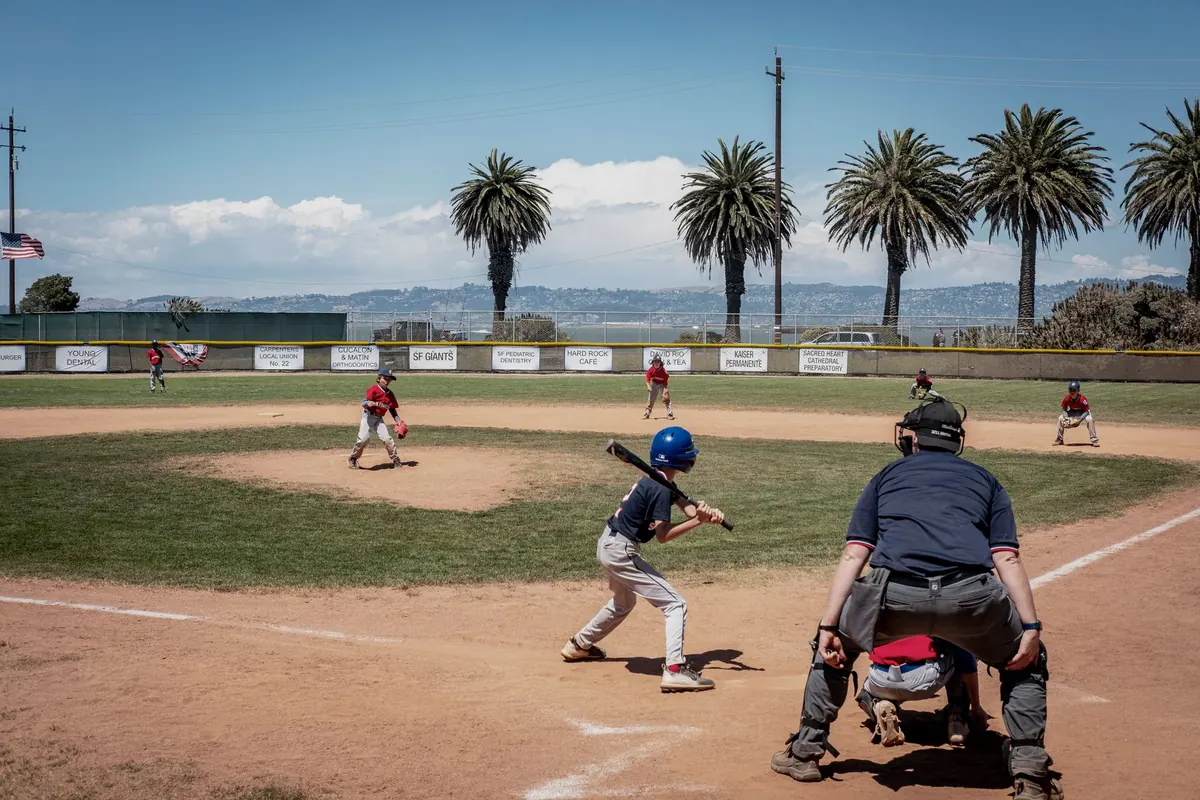
The first Saturday morning at the ballfield can feel like a test you didn't study for. You've got a nine-year-old in borrowed cleats, a medical form you printed an hour ago, and a line of parents who all seem to know exactly where to stand. Ridge Little League tryouts are not a gauntlet. For most age groups they're a short evaluation that helps coaches build balanced teams and nothing more. Here's what the day actually looks like, from registration through the first team email.
Spring registration usually opens in early January and closes in mid-February, with tryouts landing in late February or early March, depending on weather and field conditions. Fall ball runs on a shorter timeline, often with signups in July and August. Exact dates shift year to year, so check the league website and its social pages before you mark the calendar. Don't rely on the flyer your neighbor saved from last season.
Most leagues handle registration online, though some still hold an in-person night at the fieldhouse. If you're unsure which division fits your child, ask. Age cutoffs follow the league age chart, which does not always match the birthday you have in mind.
If your child has a health condition, whether that's asthma, a serious allergy, or a heart concern, talk with their doctor about what's safe and note it clearly on the form so coaches and volunteers know.
The list is short. A glove that's already broken in, cleats or sturdy sneakers, a water bottle, and clothes your kid can move in. If your child is trying out for a division that uses bats, bring a helmet and bat when you have them. Leagues keep loaner gear for families who don't. Label everything, because the lost-and-found box fills up fast in March.
Leave the brand-new shoes at home. Blisters make for a long morning. So does a bat that's too heavy, since kids swing late and look worse than they actually are. Plan to arrive twenty or thirty minutes early for check-in, and expect to stay. For the youngest divisions, tryouts are not a drop-off event.
Most Ridge tryouts run as stations: hitting off a tee or in a cage, fielding grounders, tracking fly balls, throwing to a target, and a short run. Coaches with clipboards rate each station on a simple scale. Nobody is looking for a finished player. In tee ball and coach pitch, there is often no formal evaluation at all beyond a skills check used to sort teams.
Players are grouped, rated, and then league officials and coaches hold a draft. In most divisions, every registered child is placed on a team. Tryouts exist to balance rosters, not to cut players. Older competitive divisions may have tighter numbers, so ask about roster sizes before you register if that matters to your family.
Coaches notice whether a kid listens, hustles, and shakes off a bad throw. They notice when a player takes a second attempt seriously instead of sulking. At the younger ages, coachability counts for more than raw skill. A child who can't catch yet but keeps trying often gets picked ahead of a child who can but won't move.
You can help in the weeks before. Play catch in the yard a few times. Practice throwing at a target, like a bucket or a fence post. Talk through what to do when a coach calls for "one more." Skip the marathon drills the week of tryouts; nervous kids get tight and play smaller than they are.
Local leagues run on volunteers, and most ask something of every family. Expectations vary by division, so confirm the details when you register.
Coaching requires a bit more: a background check, a short online safety course, and training on concussions and abuse prevention. If you have never coached, say so. Leagues pair new coaches with experienced ones more often than parents expect.
If a work schedule makes a concession shift impossible, tell your team parent early rather than the night before. Another family will almost always trade with you.
Beforehand, keep it to a sentence or two: you'll hit, catch, and run, and you should listen to the coaches. Avoid framing the morning as something that decides their season, and don't promise a particular team.
Afterward, ask what was fun rather than how they did. If they're upset about a throw that sailed over the fence, agree that it was a rough one and then let it go. Nothing that happens at a March tryout is permanent. The players who improve the most are usually the ones still smiling in April.
Team assignments typically go out by email or through the league app within a week or two of the final tryout date. When that message arrives, check the first practice time, the field location, and what to bring. Then sort out three logistics: whether the team has a group chat, who the team parent is, and where uniforms get ordered. Sizing runs small, so if your child is between sizes, ask another parent before you submit the form.
If two weeks pass with no word, email the league registrar instead of waiting. Placement occasionally slips through the cracks, particularly for late registrants and families new to the area.
One last thing worth remembering: the season is short. A dozen games, a handful of practices, maybe a tournament weekend at the end. Volunteer for something, learn a few names in the bleachers, and let your kid be the one who tells you how tryouts went.
Photo: David McElwee / Pexels
A practical pre-winter checklist for Ridge homeowners: gutters and ice dams, pipe protection, heating tune-ups, snow...

A practical comparison of Ridge Restaurant Week menus, price tiers, reservation odds, and dietary options, plus a...

Planning a Ridge block party? Here’s how to handle permits, road closures, insurance, and a simple timeline that...

Local news and voices from the ridge.
